The “Lightning” Spin: Removing Friction from Mobile UX
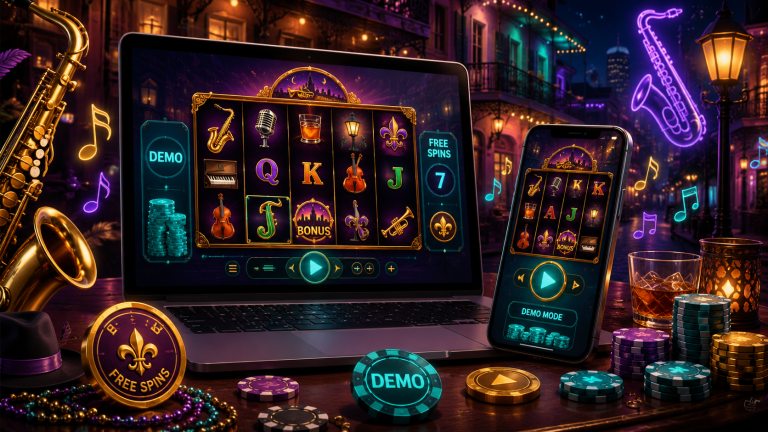
In our previous explorations of mobile casino design, we focused heavily on aesthetics. We discussed how 120Hz OLED screens and 4K textures have transformed digital slots into high-fidelity, premium experiences. But a beautiful interface is completely useless if the engine running underneath it is stalling.
The biggest killer of mobile User Experience (UX) isn’t pixelated graphics; it is Friction.
Every time a player has to wait for a page to reload, a balance to update, or a pop-up window to confirm a transaction, the immersion breaks. For years, the clunkiest part of this experience has been claiming and deploying bonuses. Today, we are looking at how the integration of Layer-2 crypto solutions is fixing the mobile UI, allowing for instant micro-transactions without lagging your smartphone’s GPU.
The “Heavy” Bonus Problem
Let’s look at the traditional architecture. On a legacy fiat casino, the UX flow is agonizing:
- You click “Claim.”
- The mobile browser sends an API request to a centralized database.
- The server verifies your account, checks for duplicate IP addresses, and updates your ledger.
- The server sends a heavy response back to your phone.
- Your screen dims, a massive “Congratulations” graphic renders, and the game reloads.
This process can take anywhere from 3 to 10 seconds. On a mobile device, this background polling and heavy server communication tax the phone’s processor. It causes the reels to stutter and the interface to feel sluggish. The bonus feels like a chore rather than a reward.
Enter Layer-2: The Speed of Money
The modern solution to this UX nightmare is the Bitcoin Lightning Network (and similar high-speed Layer-2 solutions).
Lightning wasn’t just built to make initial deposits faster; its true power lies in Micro-transactions. Because Lightning channels allow for off-chain settlement, transactions can occur in milliseconds for a fraction of a cent.
When a modern crypto casino integrates this tech, the relationship between the game and your wallet changes. Instead of querying a heavy relational database every time a free spin is triggered, the smart contract or Lightning node communicates almost instantly.
Betplay.io and the “Flow State”
To see this applied perfectly, we can look at platforms that use speed as their primary design pillar.
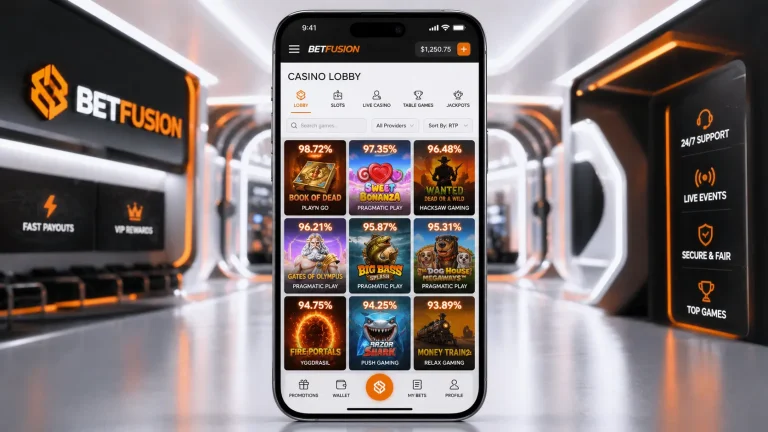
The architecture behind the Betplay.io gambling network integration showcases what a frictionless mobile UI looks like. Because the underlying financial settlement is instant, the front-end interface can remain incredibly lightweight.
When you trigger a bonus or win a micro-reward on a platform built like this, the UI doesn’t freeze to process the math. The cryptographic proof settles in the background in milliseconds. This allows your smartphone’s GPU to focus 100% of its power on rendering the 120Hz slot animations smoothly. The transition from a paid spin to a free spin is seamless. You stay in the “flow state.”
Why Milliseconds Matter
In the hyper-competitive world of mobile gaming, latency equals churn.
If an app feels unresponsive, players will close it. By using decentralized, instant-settlement networks to handle the financial heavy lifting, casinos can strip away the clunky loading screens and the spinning wheels of death.
Conclusion: Demand a Seamless Engine
A modern mobile slot should feel as responsive as a native video game.
If your casino app makes your phone run hot, stutters when you trigger a bonus, or forces you to wait for your balance to update, it is running on outdated tech. The marriage of high-fidelity graphics and Lightning-fast micro-transactions is the new standard for mobile gambling UX.