The Psychology of Slot Sounds and Why Major Chords Make You Spin Again

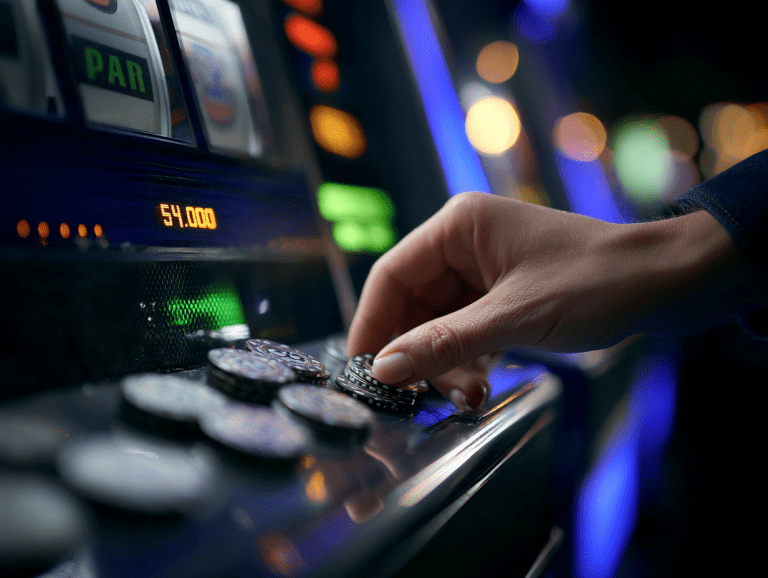
The modern slot machine is not just a game. It is a full psychological experience built piece by piece to keep you spinning. Most players look at the screen first. Flashy colors, fun animations, and that classic casino glow get your attention immediately. But the real hook sits behind the visuals. The sound. The chimes. The musical stabs. The rising tension. The fake victories. And most surprisingly, the major chords that make your brain feel safe and happy even when your bankroll is evaporating.
On Big-Easy-Slot.com we dig into how slots really work, and sound is one of the biggest hidden players. If you enjoy game breakdowns, check our home page for more guides that cut through the marketing fluff. Today we are looking at how music, especially major chords, shape your gambling behavior and why games like The Big Easy use jazz to keep you in the zone.
Why Major Chords Feel Good Even When You Lose
Let us start with something simple. Major chords feel nice. They sound warm, stable, happy, and resolved. That emotional reaction is not a coincidence. It is physics. When you hear a major triad, especially in C Major, the frequencies line up in clean integer ratios. The brain loves these patterns because they feel stable. No roughness. No tension. Just easy listening.
Slot designers know this. When a spin ends, they want you to feel safe, not stressed. They want your brain to think everything is fine, even if your bankroll says otherwise. So they hit you with a clean, friendly major chord. Your brain gets a tiny rush of comfort. You mentally reset. You press spin again.
This is why sound is the most powerful tool in a slot machine. It works instantly and bypasses most of your conscious thinking. If you want a quick reference on how gambling sounds work, the American Psychological Association has some of the best plain English summaries of reward behavior. It is worth a look if you enjoy digging deeper into the science.
Losses That Pretend To Be Wins
Modern slots have a brilliant trick that players underestimate. Losses disguised as wins. You bet one dollar. You win fifty cents. Mathematically it is a loss, but the machine does not treat it that way. It fires off the happy major chord. The screen flashes. The counter ticks upward like you just hit a jackpot.
The body reacts to these fake wins almost exactly the same way it reacts to real wins. Elevated heart rate. Micro dopamine spike. A short burst of excitement. And because it sounds like a win, most players misremember the session as more positive than it was. If you have ever walked away from a machine thinking you did alright, then checked your wallet and realized you were down more than expected, you have felt this effect.
The Classic Casino Floor Soundscape
If you think all the machines in a casino accidentally end up sounding similar, think again. Designers standardize sound keys across cabinets so they do not clash with each other. A room full of dissonant keys would sound like an orchestra tuning up before a concert. Nobody wants to gamble in that chaos.
C Major, F Major, and G Major are the most common choices. They blend together into a pleasant background hum. This unified sound environment keeps players relaxed and less mentally fatigued. When you are relaxed, you gamble longer. And when you gamble longer, your chance of walking out ahead drops fast.
How Sound Evolved From Gears To Full Scores
Early slots had squeaks, clanks, and bells simply because they were physical machines. No psychology. No soundtracks. Just gears moving. The bell became a win symbol only because it literally rang when the payout tray opened.
Once digital tech arrived, everything changed. Suddenly the click of a reel stop was optional. Suddenly the machine could talk to you. Suddenly a game could have two hundred unique sound effects and a full musical score.
This era introduced the attract mode. A machine could now play music while nobody was touching it. These idle loops were designed to pull attention just like a street performer tapping a snare drum outside a bar. If you look around any physical casino, the loudest machines are almost always the ones with the highest profit per player.
Social Signaling: Wins That Everyone Can Hear
Winning sounds are not just for the player. They are for everyone around them. Griffiths and Parke’s famous 2005 research showed that casino floors are designed to broadcast wins. Not losses.
When you hit something big, the game blasts a signature sound. Bells. Synth stabs. High pitched chimes. Anything that cuts through noise. Other players hear it and think winning is common. This pulls them into the action.
Meanwhile losses remain silent. No sound means no memory. No memory means no negative association.
Enter The Jazz Zone: Why The Big Easy Works So Well
The Big Easy gets a lot of attention because it uses one of the most effective musical formulas in any slot. Jazz. Jazz hits a perfect psychological balance for gamblers. It is lively without being aggressive. Relaxed without being sleepy. Familiar without feeling childish.
The game uses saxophones, brass hits, and piano riffs that make you feel like you are walking through New Orleans at night. This creates immersion. More importantly, it creates flow. In neuroscience, flow is a mental state where you lose track of time. Your brain switches off its self monitoring mode. You stop thinking about your bankroll. You stop calculating risk. You just play. This is the gambler’s version of tunnel vision. And jazz rhythms help to maintain it beautifully.
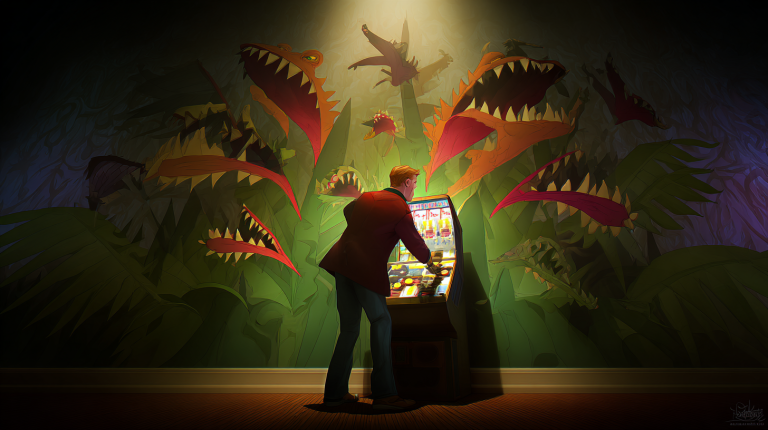
This is why The Big Easy is a dangerous slot for players who are prone to zoning out. The music is designed to feel like you are improvising with the machine. It feels like you are participating in the rhythm, not reacting to a random number generator. That illusion is powerful.
Tempo Controls Behavior
Here is a practical tip. If the game has fast music, you are going to spin faster. If the game has slow music, you are going to stick around longer. Tempo is not a background detail. It is a behavioral tool.
Fast music increases your spin frequency. The house edge is small, so more spins per hour means more money lost on average. Slow music keeps you calm. You spin less, but you stay longer. Either way, sound shapes the size of your losses.
The Multisensory Trap
Sound also works together with lights and animations. The brain loves synchronized feedback. When a win sound lines up with a flash of light, your brain treats it as a bigger reward than either stimulus alone. That is why wins feel more exciting than they mathematically are.
Even playing online replicates this effect. If you load The Big Easy on your phone with the volume up, the game recreates the casino feeling. That atmosphere tricks your brain into thinking it is in a gambling space, not sitting at home on the couch. It lowers your guard.
Final Thoughts
Major chords make you want to spin again because they give your brain a sense of resolution and comfort. Jazz creates a flow state that keeps you immersed. Losses disguised as wins trick your emotional system into celebrating failure. And social signaling on the casino floor convinces everyone that winning is common. Add all of that together and the soundscape becomes the real engine of the slot machine.
If you want honest breakdowns of how slots actually work, check the guides on our home page at Big-Easy-Slot.com.
And if you ever want to explore the research yourself, the papers from the University of Waterloo and the APA’s behavioral science archives are excellent starting points.
The next time a slot hits you with a cheerful chord even as your balance drops, remember this: the sound is not celebrating your wallet. It is celebrating your next spin.