From Cheat Codes to Bonus Codes: A History of Gaming Secrets
Up, Up, Down, Down, Left, Right, Left, Right, B, A, Start.
If you read that sequence and immediately felt a twinge of nostalgia (or heard the 8-bit Contra theme music in your head), you are part of a specific generation. You grew up in the golden age of gaming secrets. Before the internet ruined everything with instant wikis and YouTube walkthroughs, gaming knowledge was a currency. It was traded on playgrounds, scribbled on napkins, and hunted for in the back pages of GamePro and Electronic Gaming Monthly.
The most valuable of all these secrets was the “Cheat Code.” It was a string of button presses or a password that broke the game’s reality. It gave you infinite ammo in Doom, big heads in NBA Jam, or the legendary 30 lives in Contra. It felt illicit, like you were hacking the mainframe from your living room floor. Today, the cheat code is largely dead in console gaming—replaced by credit card transactions and micro-payments—but the spirit of the “secret advantage” has found a new, unlikely home: the world of online gambling.
The Era of “God Mode”
To understand why codes matter, you have to look at video game history. As IGN and other historians have chronicled, cheat codes weren’t originally built for players. They were developer tools. When a programmer was testing Sonic the Hedgehog, they didn’t want to replay the whole level every time they died. So, they programmed a “debug” sequence to skip levels or become invincible.
Eventually, developers started leaving these backdoors open for the players. It created a subculture of explorers. Devices like the Game Genie and GameShark allowed players to rewrite the code of the game in real-time. It wasn’t about “cheating” to win; it was about extending the experience. When you had “God Mode,” the game changed from a stress test to a playground. You had more resources than the game design intended, which allowed you to take risks you otherwise wouldn’t.
The Monetization of the Advantage
So, what happened? In a word: monetization. As gaming moved online with Xbox Live and PSN, fair play became paramount. You couldn’t have people wall-hacking in Call of Duty. Simultaneously, publishers realized they could sell these advantages. Why give away a “Big Head Mode” or an “Unlock All Weapons” cheat for free when you can sell it as DLC (Downloadable Content) for $4.99?
The cheat code didn’t die because players stopped wanting an edge; it died because publishers found a way to charge for it. The magic of typing in a secret password to get free stuff evaporated, replaced by the sterile confirmation screen of a digital wallet transaction.
The Spiritual Successor: Casino Bonus Codes
However, if you look closely at the adult gaming world—specifically online casinos and crypto gambling sites—the cheat code is alive and well. It just looks a little different. Instead of a controller sequence, it’s an alphanumeric string entered into a cashier field.
In this space, exclusive bonus codes serve the exact same function that the Konami Code did in 1988: they give you “extra lives.” In gambling terms, a “life” is your bankroll. If you deposit $100 and lose it, your game is over. But if you use a bonus code that unlocks a 100% match plus 50 free spins, you have effectively doubled your health bar. You can absorb twice as much damage (variance) before the “Game Over” screen appears.
Just like in the old days, these codes create a hierarchy of players. There are the “standard” players who sign up through the homepage and get the default welcome offer (the equivalent of starting with 3 lives). And then there are the “insiders” who found a code on a specialized review site or a forum, unlocking a higher match percentage or better wagering terms (the equivalent of starting with 30 lives).
Hunting for the Edge
The psychology is identical. Finding a working bonus code feels like discovering a secret. It rewards the player who does their research. It changes the math of the game.
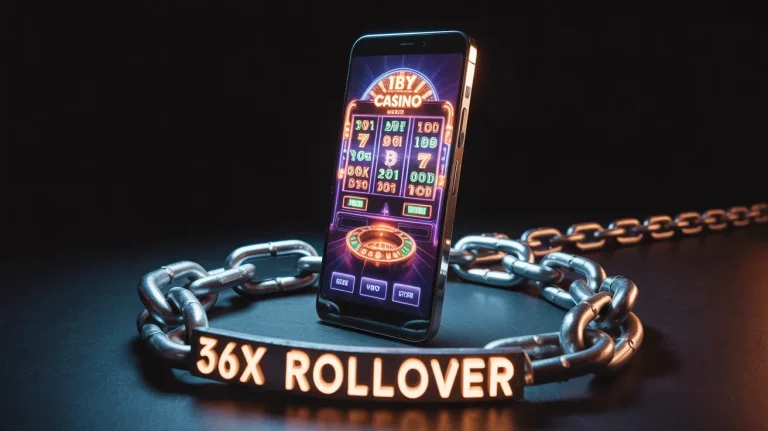
For example, many crypto casinos offer “No Deposit” codes—literal free chips just for registering. This is the closest modern equivalent to “Infinite Ammo.” You are being given ammunition (money) to fire at the game without depleting your own reserves. Of course, unlike the Game Genie, these codes come with terms and conditions. You can’t just withdraw the money instantly. You have to play through it. But the fundamental premise remains: you are entering the game with an advantage that the casual player doesn’t have.
Conclusion: The Game Hasn’t Changed
We often think of video games and gambling as two separate worlds, but they are converging. Both rely on risk, reward, and dopamine. And in both worlds, the player is always looking for an edge against the house (or the CPU).
The days of pressing Up, Up, Down, Down might be over, but the thrill of entering a code and seeing your balance jump before you’ve even spun a reel? That is the same old magic. It’s a reminder that in a digital world designed to take your money, there are still backdoors for those willing to look for them. The secret isn’t dead; it just moved to a new server.